

Developing a digital detox is about consciously resetting your relationship with technology to improve mental clarity, emotional well-being, and physical health. In a world constantly buzzing with notifications, endless scrolling, and digital noise, stepping back even briefly can restore focus, peace, and presence.
Here’s a guide to help you create a realistic and effective digital detox plan tailored to your lifestyle.
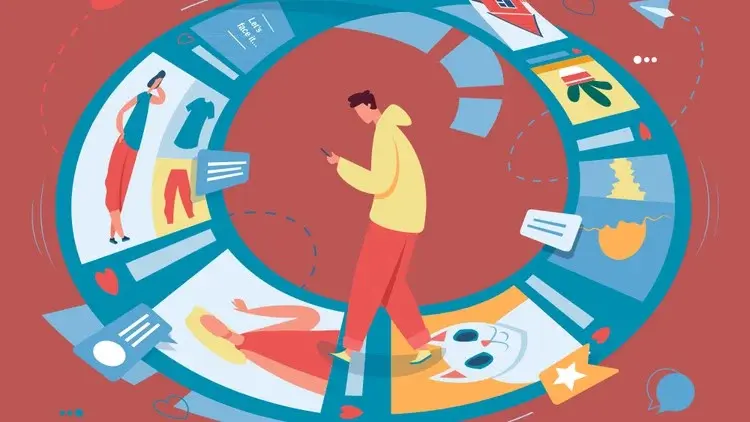
1. Assess Your Digital Habits
The first step is understanding where your time goes.
- Track Your Usage: Use built-in tools on your phone or computer to monitor screen time and identify the apps or platforms that consume most of your attention.
- Reflect Honestly: Think about how your digital habits affect your mood, sleep, focus, and relationships. Notice if you feel anxious after social media use or find yourself mindlessly checking your phone during quiet moments.
2. Set Clear, Achievable Goals
Clarity and realism make your detox more sustainable.
- Be Specific: Set one or two simple rules like “No phone after 9 PM” or “Limit YouTube to 30 minutes a day.”
- Choose a Time Frame: Start small a single evening, one weekend day, or a 7-day challenge. Expand later as you grow more comfortable.
- Write It Down: Putting your goal somewhere visible, like a note on your desk or mirror can help reinforce your intention.
3. Structure Your Detox Routine
Replace impulsive tech use with planned, tech-free moments throughout your day and week.
- No-Screen Mornings: Avoid reaching for your phone first thing. Begin the day with mindful activities like meditation, journaling, stretching, or a quiet breakfast.
- 20-20-20 Rule: Every 20 minutes, take a 20-second break to look at something 20 feet away. It’s a simple reset for your eyes and brain.
- Mindful Meals: Eat without screens to enjoy your food and connect with those around you.
- Digital Curfew: Set a cut-off time for devices, preferably an hour before bed. Replace nighttime scrolling with reading, writing, or relaxing rituals.
- Digital-Free Day: Choose one day a week for a full break, go for a hike, attend a class, or spend quality time with loved ones.
- Tech-Free Evenings: Pick one or two nights a week to be screen-free after a set time. Use this time for hobbies, reflection, or face-to-face conversations.
- Screen-Free Zones: Keep devices out of the bedroom, bathroom, and dining area. These become your zones of rest and presence.
- Turn Off Notifications: Disable non-essential alerts to reduce interruptions and mental clutter.
4. Replace Screen Time with Offline Activities
Digital detox isn't just about cutting down, it's about rediscovering joy in the physical world.
- Rediscover Hobbies: Paint, cook, garden, knit, or try something creative that doesn’t involve a screen.
- Get Moving: Go for a walk, join a fitness class, stretch, or ride a bike, anything to get your body active.
- Connect in Person: Invite a friend for coffee, plan a family game night, or have a screen-free dinner.
5. Make Yourself Accountable
Commitment sticks better when shared and tracked.
- Tell Someone: Let friends or family know about your detox. Invite them to join or hold you accountable.
- Keep a Journal: Write about your experience, what felt good, what was difficult, what you noticed about yourself.
- Reflect and Adjust: After your detox, take stock of the benefits. Did you sleep better? Feel less anxious? Use those insights to shape longer-term habits.
6. Tips for Long-Term Success
Sustainable change comes from smart strategies, not sheer willpower.
- Start Small: Don’t aim for perfection, aim for consistency. Build up gradually.
- Declutter Your Digital Space: Delete unused apps, unsubscribe from emails, and organize your files regularly.
- Use Tech to Manage Tech: Try app blockers or grayscale modes to make your device less appealing during detox periods.
- Plan Device-Free Activities: Book regular tech-free outings like weekend hikes, board game nights, or reading sessions.

Final Thought
A digital detox isn't about rejecting technology, it's about reclaiming your attention, energy, and time. While it might feel uncomfortable at first, the rewards are undeniable: better sleep, more focus, stronger relationships, and a deeper connection to the world around you.
You don’t have to unplug forever. Just often enough to feel alive again.
Discussion
Start the conversation
No comments yet
Be the first to share your thoughts on this article. Your insights could spark an interesting discussion!