
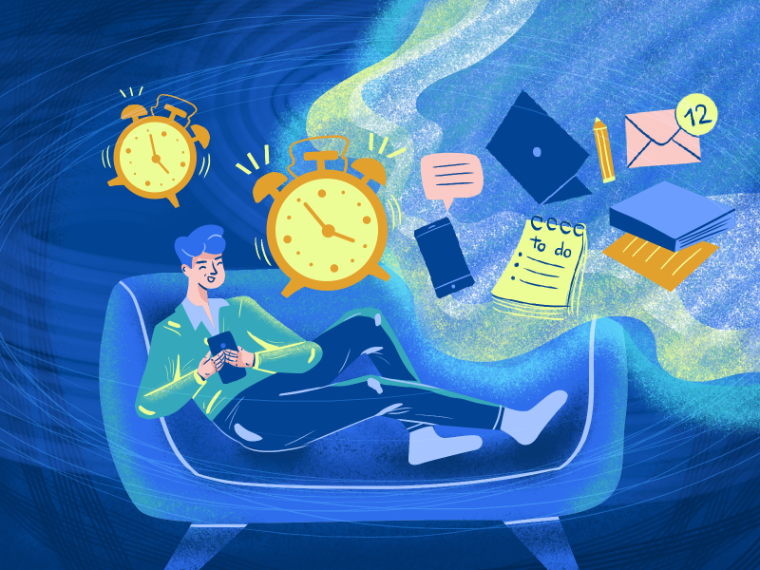
In today’s fast-paced world, one of the most common challenges faced by students and professionals alike is the struggle with procrastination and overwhelmed emotions. When deadlines approach, responsibilities pile up, and expectations rise, it’s easy to feel paralyzed by the weight of it all. But overcoming these challenges is not about working harder, it’s about working smarter and cultivating emotional balance.
Overcoming procrastination and managing emotions side by side requires not only practical strategies but also an intentional mindset shift. The ultimate goal is to break the cycle of avoidance, foster emotional intelligence, and transform work into a source of progress and growth rather than stress.

Understanding Procrastination: More Than Just “Laziness”
Procrastination is often misunderstood as laziness. In reality, it’s a self-protection mechanism, a way for the brain to escape tasks that feel threatening, confusing, or emotionally draining. Common roots include:
- Fear of failure or perfectionism - When tasks feel like they must be done flawlessly, starting becomes overwhelming.
- Overwhelm - When projects are too large, the brain perceives them as unmanageable.
- Lack of clarity - Unclear priorities make it difficult to know where to begin.
- Emotional avoidance - Putting off tasks that trigger stress, boredom, or frustration.
Breaking the Cycle
- Habitual procrastinators often benefit from practical systems that lower the mental barrier to starting:
- Divide and Conquer: Break projects into micro-tasks and celebrate small wins.
- Pomodoro Technique: Focus for 25 minutes, followed by a 5-minute break, to prevent burnout.
- Deadlines and Accountability: Create self-imposed deadlines or use apps to track progress.
- Remove Triggers: Limit distractions like social media, and design a focused workspace.
By treating procrastination not as a flaw but as a signal, you can build better systems around it.
Emotional Regulation in the Workplace
Work is not just about productivity, it’s also about how well we manage our inner world. Emotional overwhelm can derail focus, creativity, and even relationships at work. The key is developing emotional intelligence (EI), which includes:
- Self-awareness: Recognizing your emotional state in real time.
- Self-regulation: Managing impulses without reacting destructively.
- Empathy: Understanding others’ emotions to improve teamwork.
- Relationship management: Communicating effectively and resolving conflicts.

Quick Emotional Reset Tools
- Mindful breathing: Deep, slow breaths to calm the nervous system.
- Grounding exercises: Focus on your senses (5 things you see, 4 you feel, 3 you hear…) to regain presence.
- Pause and reflect: Count to ten before responding in stressful situations.
By integrating these habits, emotions become allies rather than obstacles to productivity.
Strategies for Balancing Both Procrastination and Emotions
Combining task management with emotional regulation creates a holistic approach to work-life balance. Here are practical strategies:
- Break Tasks Into Small Steps - Shrink big goals into actionable steps that build momentum.
- Prioritize and Clarify - Use tools like Eisenhower’s Matrix (urgent vs. important) to focus on high-value tasks.
- Mindful Scheduling - Before accepting new commitments, evaluate current priorities to avoid overloading.
- Set Boundaries - Create clear work hours and downtime to prevent burnout.
- Daily Emotional Check-ins - Reflect on your mood and make small adjustments like stretching, a short walk, or journaling.
- Challenge Negative Thoughts - Replace perfectionist tendencies with a growth-oriented mindset (“done is better than perfect”).
- Seek Support - Share struggles with peers, mentors, or professionals when overwhelmed.
Mindfulness and Self-Compassion: The Missing Links
Many people focus only on productivity hacks but overlook the mindset component. Two essential qualities to cultivate are:
- Mindfulness: Staying present reduces distractions, anxiety about the future, and regrets about the past. Even 5 minutes of mindful breathing can sharpen focus and restore calm.
- Self-compassion: Instead of self-criticism for procrastinating, adopt a kinder inner voice. Forgive slip-ups, and focus on progress over perfection.
This not only reduces emotional exhaustion but also makes productivity sustainable over time.
Conclusion
Dealing with procrastination and overwhelming emotions is an ongoing process, not a one-time fix. The real shift happens when you stop seeing procrastination and emotions as enemies, and instead, treat them as signals pointing toward what needs attention.
By combining structured planning, emotional regulation, and self-compassion, you transform the experience of work from a stressful battleground into a platform for growth and resilience. The balance doesn’t come overnight, but with consistency, you can achieve professional success without sacrificing mental well-being
Discussion
Start the conversation
No comments yet
Be the first to share your thoughts on this article. Your insights could spark an interesting discussion!