

Time: we all get the same 24 hours a day. Beyoncé, Shakespeare, your neighbor’s hyper-productive cat, the same deal. The difference? How we use those hours.
As Stephen Covey once said, “The key is in not spending time, but in investing it.” A well-built time management system isn’t just about packing tasks into a calendar like an overstuffed suitcase. It’s about clarity, purpose, and yes - sanity.
This article will walk (not sprint) you through how to design a time management system that fits you, your life, your energy, your chaos level.
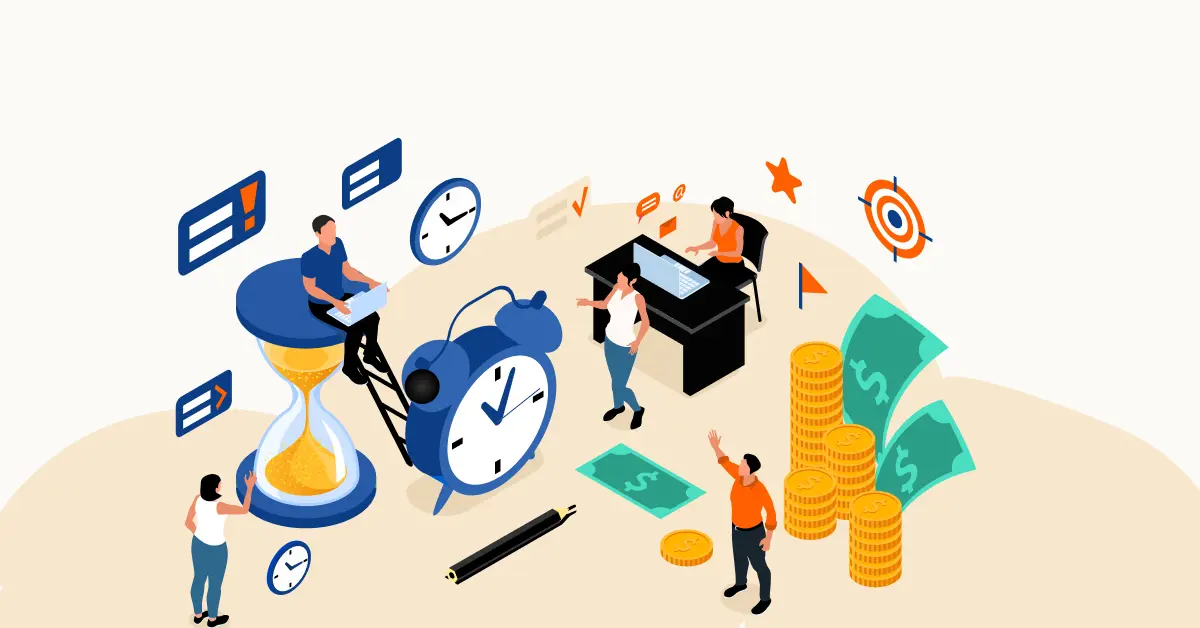
The Impact of Time Management: Why It’s a Game-Changer
Let’s start with some hard-hitting truths:
- 90% of people believe that better time management would increase their productivity.
- 91% think it would reduce work-related stress.
- 84% say it helps them reach goals more effectively.
- Time management can save up to 40 hours per month, that’s basically an extra week of freedom
Studies show that good time management is more closely linked to life satisfaction than even job performance. Translation? Manage your time, improve your happiness.
So yes, it’s worth the effort.
“You may delay, but time will not.” - Benjamin Franklin
Step 1: Conduct a Personal Time Audit
(a.k.a. “Where Did My Day Go?”)
Before installing a fancy system, get clear on your current time habits. Spend 3–5 days tracking how you spend each hour. Use an app, spreadsheet, or even scribble in a notebook. Include everything from scrolling Instagram to fake laughing on Zoom calls.
Look out for:
- Time leaks (mindless scrolling, unnecessary meetings, 47-minute snack breaks).
- Energy patterns (Are you more focused in the morning or at night?).
- Task clusters (Could those 3 calls be batched together?).
This isn’t about guilt, it’s about awareness.
Step 2: Define Your Priorities and Goals
You can't manage time if you don't know what you're managing it for. It’s time to Marie Kondo your schedule.
Ask:
- What are my top 3 goals - professionally and personally?
- What tasks align with those?
- What tasks don’t, but still steal time like a well-dressed thief?
Use the Eisenhower Matrix to categorize tasks by urgency and importance. If you’re constantly putting out fires, chances are you're ignoring the slow-burning goals that actually matter.
“The key is not to prioritize what’s on your schedule, but to schedule your priorities.” - Stephen Covey
Step 3: Pick a System (or Steal from a Few)
There is no single “perfect” system. The best system is the one that works for you and evolves with your needs. Here are some popular methods worth testing:
Time Blocking
Assign chunks of time to specific types of work. Helps keep your day intentional and reduces context-switching (aka mental whiplash).
Pomodoro Technique
Work in 25-minute sprints with 5-minute breaks. Great for focus and avoiding burnout. Plus, who doesn’t want to feel like a tomato-powered productivity robot?
Eat That Frog
Do your hardest or most important task first thing. It sets the tone, builds momentum, and gets your future self off your back.
Limit Your Schedule to 75% Capacity
Yes, really. Leave room for the unexpected because life loves curveballs. Overbooking leads to stress, not success.
Set Micro-Deadlines
Parkinson’s Law says tasks expand to fill the time you give them. So if a report takes 3 hours? Try giving yourself 2. It might just work (and if not, at least you didn’t spend half of it rewording the subject line).
Step 4: Stay Flexible & Review Often
You’re human, not a robot on a factory belt. Life changes. Your system should too.
Set Boundaries
Define your work hours and protect them. Don’t let your email turn into a 24/7 diner.
Delegate and Automate
Don’t be the hero who does everything. Let tech, templates, and other people help.
Review Weekly
Spend 15 minutes each week asking:
- What worked?
- What flopped?
- What needs to be adjusted?
Your time management system is a living organism, not a locked-in contract.
Step 5: Use Tools That Don’t Annoy You
The right tools make time management easier not more overwhelming. Pick ones that suit your personality and workflow:
Digital Lovers:
- Google Calendar (sync everything)
- Notion (build your own productivity universe)
- Trello/Asana (for task boards and project flows)
- Focus To-Do / Forest (Pomodoro-style apps)
Analog Fans:
- Bullet journals (for customization nerds)
- Planners with daily breakdowns
- Sticky notes everywhere (if it works..)
You don’t need 12 tools. You need 1–2 that click with your brain.
Step 6: Don’t Forget Your Life
- Managing time ≠ doing more. It means doing what matters more.
- Schedule joy: hobbies, rest, time with people you love.
- Move your body: even a 10-minute walk can rewire your day.
- Guard your breaks: they’re not a luxury, they’re maintenance.
“The essence of self-discipline is to do the important thing rather than the urgent thing.” - Barry Werner
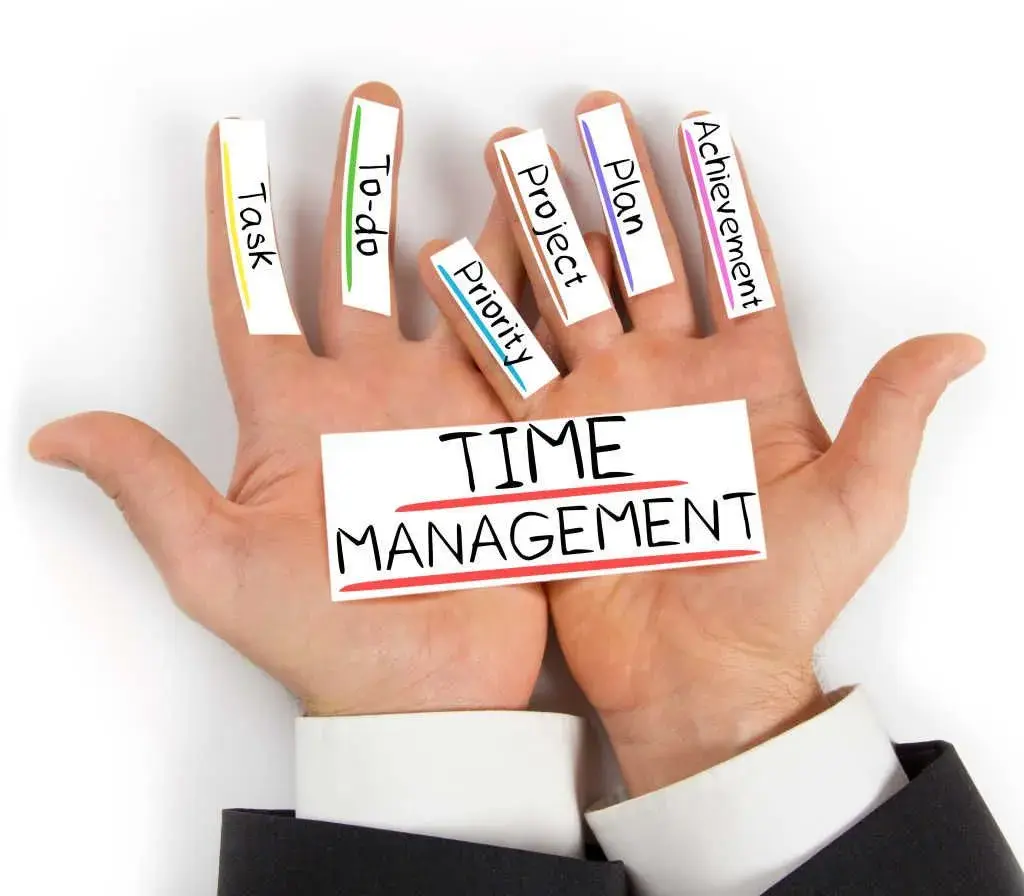
Tips for Lasting Success
- Start small: You don’t need a color-coded planner empire on day one. Begin with one tweak.
- Forgive failure: You will slip. So what? Get back up, reassess, and keep going.
- Celebrate wins: Completed your “frog”? Nailed your week? Take a moment to feel that.
Final Thoughts: Manage Time, Don't Let It Manage You
A personal time management system isn’t about fitting into someone else’s mold. It’s about reclaiming your time, realigning with your purpose, and making space for what fills you up, not just what fills your calendar.
You don’t need to be perfect. You just need to be intentional.
So go ahead, build a system, tweak it, break it, rebuild it. And remember:
“Don’t watch the clock; do what it does. Keep going.” - Sam Levenson
If you’re ready to stop being busy and start being in control, there’s no better time to start than now. Or maybe after your next coffee. That’s fine too.
Discussion
Start the conversation
No comments yet
Be the first to share your thoughts on this article. Your insights could spark an interesting discussion!