
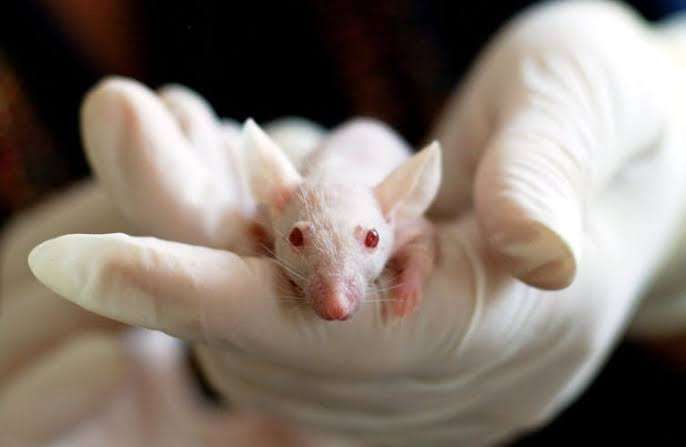
In recent years, headlines have sparked curiosity and sometimes fear about the possibility of “hybrid beings” being created in Japan. With phrases like “human-animal hybrids” and “scientific chimeras” making their rounds on social media, it's easy to picture a sci-fi dystopia unfolding. But beneath the sensationalism lies a fascinating, controversial, and carefully regulated scientific field: chimera research. And Japan is at the forefront of it.
The Basics: What Does "Hybrid Being" Really Mean?
First, let’s get the terminology straight. When people say “hybrid being” in this context, they’re not talking about a half-human, half-goat mythological creature walking the streets of Tokyo. What’s actually happening is the development of human-animal chimeras organisms made up of cells from two different species, usually human stem cells inserted into animal embryos.
These aren’t beings designed to think like humans or walk upright with opposable thumbs. Rather, they are lab-grown animals that may contain specific human tissues or organs, like a pancreas or kidney, meant to serve medical purposes, primarily organ transplantation.
The Breakthrough: Japan’s Landmark Move
In 2019, Japan became the first country to allow scientists to not only create human-animal chimeras, but to bring them to term, meaning the embryos could legally develop into full animals, under tight oversight. This marked a major shift in global bioethics policy. Previously, most countries imposed a 14-day limit on the development of such embryos, after which they had to be destroyed. Japan’s revision opened the door for more advanced, real-world applications of this research.
Under these new rules, researchers can implant animal embryos containing human cells into surrogate animals and allow them to grow but only under strict ethical guidelines.
The Scientists Behind the Science
One of the leading figures in this space is Professor Hiromitsu Nakauchi, a renowned scientist working across the University of Tokyo and Stanford University. His team’s approach involves genetically engineering animals such as mice or pigs, to be born without a specific organ. They then inject human induced pluripotent stem cells (iPS cells) into the embryos, with the hope that the human cells will grow into the missing organ inside the animal's body.
The ultimate vision? A pig growing a fully human-compatible pancreas, which could be harvested and transplanted into a patient. This could be revolutionary for the thousands of people waiting on organ donor lists around the world.
The Tightrope Walk: Ethics and Oversight
Of course, this isn't science without controversy. The ethical challenges are vast and complex. What happens if the human cells start contributing not just to organs, but to the animal’s brain or reproductive system? What if, somehow, human cells influence cognition—raising the nightmare scenario of animals with some level of human consciousness?
To prevent such possibilities, Japan’s regulations are extremely strict. Experiments must be closely monitored, and if human cells are found to influence more than 30% of the animal’s brain, the embryo must be destroyed immediately. Every step from cell injection to potential birth requires ethical approval and detailed reviews.
This is not a lawless scientific frontier. It is a methodically planned, tightly governed exploration into the future of regenerative medicine.
What's Not Happening: No Sentient Hybrids
Despite some dramatic rumors and online speculation, scientists in Japan are not creating hybrid humans or any beings with conscious awareness resembling a person. The chimeras developed under this program are intended to solve medical problems, not to explore Frankenstein-esque creations.
The idea of animals being born with human thoughts, feelings, or identities is more science fiction than science fact. There are no human-animal hybrids walking among us, and there is no credible effort to make such a being. Even within Japan’s liberalized policy, cognition, identity, and brain development are off-limits zones for human cell activity.
Why Japan Is Leading This Research
Japan’s forward-thinking stance on this issue stems from a combination of technological ambition and medical necessity. With an aging population and growing demand for transplants, organ shortages pose a dire public health issue. By pioneering this research, Japan is betting on biological innovation to fill that gap.
Other countries, like the United States and the UK, have also dabbled in chimera research but remain hamstrung by more restrictive legal environments. Japan has become the go-to country for such cutting-edge work, positioning itself as a global leader in the future of bioengineered medicine.
The Bigger Picture: Hope, Caution, and Controversy
It’s easy to get swept up in dramatic headlines about human-animal hybrids, but the truth is much more grounded and arguably much more inspiring. At its core, this research is about saving lives. If scientists can safely and ethically grow human organs in animals, we could revolutionize how we treat everything from diabetes to heart disease.
Still, the line between innovation and overreach is razor-thin. The ethical boundaries must be clearly drawn and fiercely defended. Japan’s current system reflects a cautious optimism: the willingness to pursue transformative science, tempered by a deep awareness of the moral terrain.
So, is Japan creating hybrid beings?
Yes, but not the kind that should scare you. These are carefully engineered chimeras designed to heal, not to harm. They represent a fascinating blend of science, ethics, and possibility an experiment not just in biology, but in humanity’s responsibility to wield its knowledge wisely.
The future of medicine might just be growing in a lab right now. And Japan is showing the world how to do it thoughtfully, boldly, and with eyes wide open.
Discussion
Start the conversation
No comments yet
Be the first to share your thoughts on this article. Your insights could spark an interesting discussion!