

For centuries, chocolate has enchanted the human palate. From Mayan rituals to modern luxury desserts, the journey of cocoa beans into fine chocolate has always carried a sense of artistry, mystery, and a dash of science. At the very heart of this journey lies fermentation, which is a chaotic, natural process where microbes transform bitter cocoa seeds into aromatic, flavor-rich beans.
But here’s the bigger truth: traditional cocoa fermentation is unpredictable.
Farmers typically ferment beans in heaps covered with banana leaves or in wooden boxes, letting naturally occurring microbes work their magic. Some fermentations lead to divine flavors, while others result in bland or inconsistent batches. This lack of control means one farm’s premium-tasting chocolate could taste entirely different in the next season or at a different location.
Now, thanks to groundbreaking work by scientists at the University of Nottingham, the secrets of cocoa fermentation aren’t just being uncovered, they’re being mapped. This discovery could change the chocolate industry forever.

Mapping the Microbial Recipe
The researchers worked hand in hand with Colombian farmers, analyzing the delicate interplay of microbes, temperature, and pH levels during cocoa fermentation. They discovered that certain bacteria and fungi, not random chance are the true architects of fine chocolate flavor.
More importantly, the team did something revolutionary:
They created a synthetic microbial community, a carefully designed mix of microbes that could replicate the exact same chemical and sensory outcomes as natural fermentation.
In simple terms, they reverse-engineered nature.
The chocolate produced through this synthetic system tasted just as rich, complex, and high-quality as those fermented traditionally but with one key difference: predictability.
The Industry Transformation Ahead
If this breakthrough sounds familiar, it’s because something similar already happened in other fermentation-heavy industries. Beer, cheese, and wine were once made only through wild fermentation until the introduction of controlled starter cultures made them more consistent, scalable, and diverse.
Chocolate may now be on the verge of the same transformation.
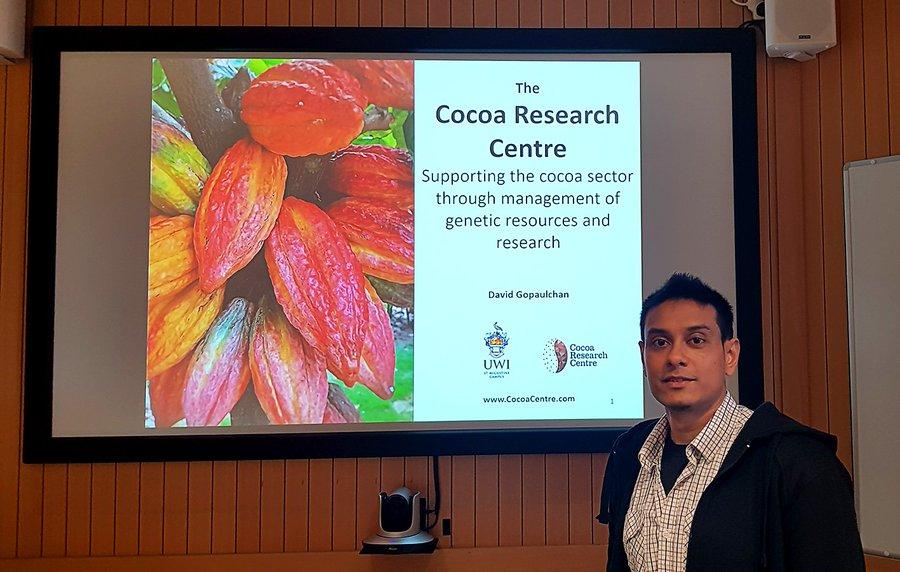
As Dr. David Gopaulchan, the study’s lead author, put it:
“We are moving from spontaneous, uncontrolled fermentations to a standardized, science-driven process. This could unlock novel flavor possibilities and elevate chocolate quality worldwide.”
Here’s what this means for stakeholders:
- For Farmers: A chance to reduce uncertainty, raise product value, and enter premium markets with more reliability.
- For Chocolate Makers: Consistency across batches, plus the opportunity to experiment with new flavor profiles guided by microbial “recipes.”
- For Consumers: Chocolate that tastes not just consistently good, but potentially even tailored with future possibilities of unique, designed flavors.
The Future of Chocolate: Engineered but Authentic
Some may worry that “lab-guided” fermentation takes away from the authenticity of chocolate. But in reality, this discovery doesn’t replace tradition it enhances it. Farmers and makers still control the artistry of crafting chocolate, but now with precision tools that ensure every batch has the potential to be exceptional.
Think of it not as eliminating nature, but as collaborating with nature more intelligently.
Just as coffee lovers now demand specific bean varieties and brews, tomorrow’s chocolate connoisseurs might seek out bars crafted with particular microbial recipes “single-ferment chocolates,” with flavor notes designed as consciously as wine vintages.
Final Bite
The mapping of the microbial recipe marks a turning point. Chocolate is stepping into a new era, where one of the world’s most beloved indulgences is both an ancient craft and a cutting-edge science.
Consistent flavors. Enhanced sustainability. New taste horizons.
The future of chocolate, it seems, is not only sweet but scientifically engineered for perfection. 🍫
Discussion
Start the conversation
No comments yet
Be the first to share your thoughts on this article. Your insights could spark an interesting discussion!