At airports, you already unzip your luggage, take off your shoes, and empty your pockets. But soon, if the United States has its way, you might also be asked to unpack your memes, tweets, cringey college posts, and five years’ worth of online life. In a digital age where your personality lives on the internet, Washington appears ready to check your timeline before your passport.
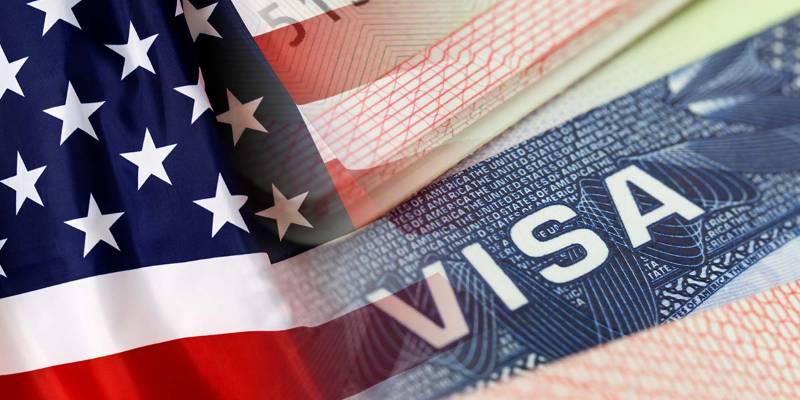
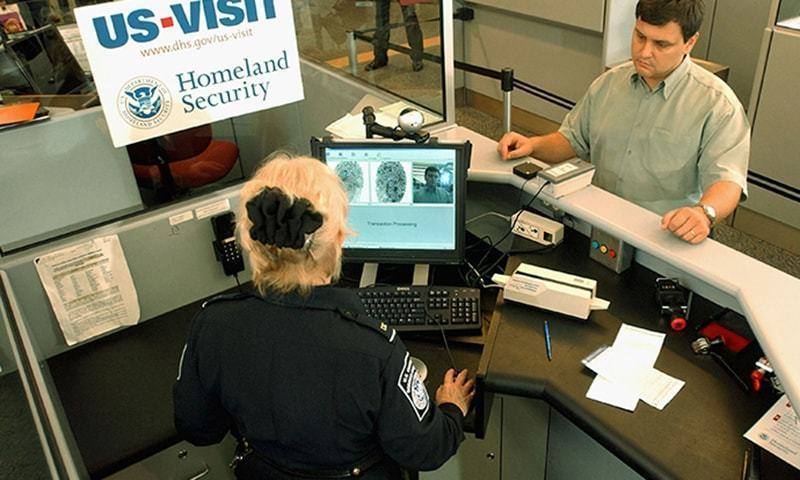
The U.S. government has proposed sweeping new screening requirements for travelers from 42 visa-waiver countries, potentially transforming the visa-free experience into one of the most intrusive digital audits ever attempted by a major nation. Published on December 10 in the Federal Register, the plan mandates that visitors disclose up to five years of social media handles, five years of phone numbers, 10 years of email addresses, and detailed information on immediate family members as part of the Electronic System for Travel Authorization (ESTA).
The proposal is presented as an extension of Executive Order 14160, a broader national security framework aimed at identifying potential terrorism and public safety threats. By tapping into travelers' digital footprints, the administration argues that it can better flag suspicious patterns, extremist sympathies, or threats that might otherwise go undetected through traditional screening.
Collateral Damage: Travelers, Workers, and Families
While the rules technically target visa-free travelers, the ripple effects are already being felt across the U.S. immigration ecosystem. India has seen severe disruptions, with embassies and consulates abruptly canceling and postponing H-1B and H-4 visa appointments as parallel social media-based vetting procedures come online. Many applicants who have already completed biometrics have been pushed to interview slots in 2026.
The fallout is significant: professionals unable to join employers on time, families stuck on opposite sides of the world, and long-planned holiday travel thrown into disarray. Officials cite “operational constraints” and the need for additional screening manpower, effectively slashing the number of daily appointments to a fraction of usual capacity.
Privacy Advocates Sound the Alarm
Civil liberties groups, digital rights organizations, and immigration lawyers warn that the new data demands pose substantial risks to privacy and free expression. Analyzing five years of social media posts is not merely a security check, critics argue as it risks penalizing individuals for lawful political opinions, satire, jokes, cultural misunderstandings, or even posts made by friends who tag them.
Furthermore, social media identifiers inherently reveal networks, family, colleagues, communities, enabling a kind of “network surveillance” that expands far beyond the individual traveler.
The concern is not hypothetical. Algorithms can misinterpret humor as hostility, activism as extremism, or harmless cultural content as security red flags. With no clear public evidence that previous social-media vetting has significantly enhanced security outcomes, rights groups question whether the intrusion is proportionate or effective.
Economic Stakes: Tourism and Global Image
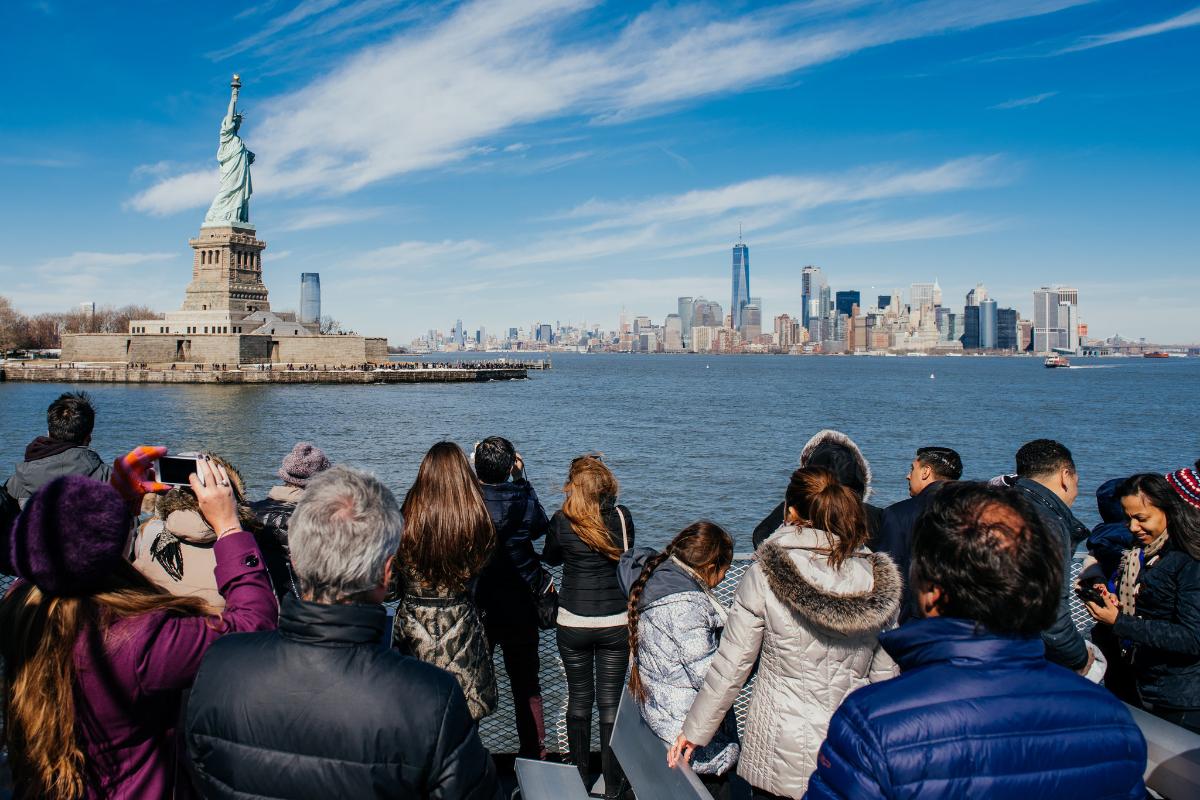
Travel and tourism leaders are equally wary. The U.S. is preparing to host the 2026 World Cup, a global event expected to draw millions. Industry experts fear that burdensome screening rules, coupled with slower processing, may discourage travelers and weaken the United States’ standing as a welcoming destination. Visa-waiver travelers, who normally enjoy a frictionless entry process, may reevaluate plans if they must surrender their digital histories to U.S. security agencies.
What Happens Next
Under federal rulemaking procedures, the government has opened a 60-day public comment period. Depending on feedback, the rules could be revised or finalized. If enacted, these requirements would represent one of the most expansive uses of social-media data in border control worldwide, effectively shifting the front line of immigration from the airport counter to the online timeline.
For now, the debate raises a larger question: in a world where digital identity is inseparable from real identity, how much of your online life should a country have the right to inspect before allowing your physical presence at its borders?
One thing is clear - traveling to the United States may soon require more than a passport. It might require a clean social media past, a patient sense of humor, and nerves of steel every time you hit “post."
Discussion
Start the conversation
No comments yet
Be the first to share your thoughts on this article. Your insights could spark an interesting discussion!