
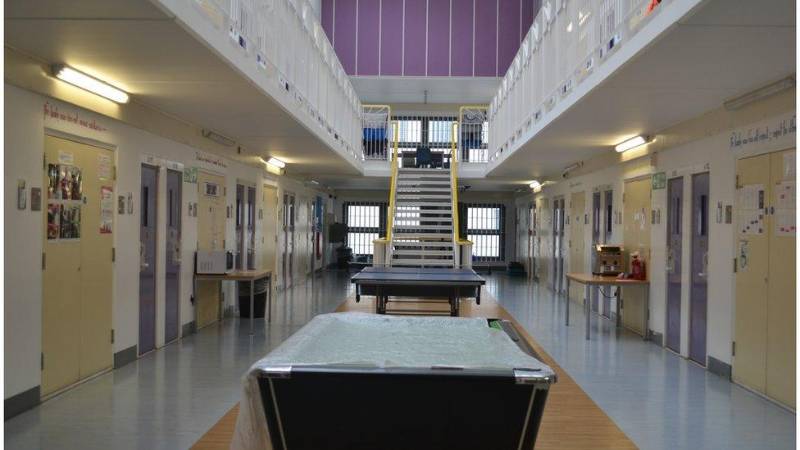
South Korea has pioneered a remarkable and unconventional wellness approach that transforms the concept of prison isolation from a punitive measure into a voluntary, therapeutic retreat for mental detoxification, stress relief, and self-reflection.
This innovative idea responds to South Korea’s high-pressure work and academic culture, which has contributed to widespread stress, anxiety, social withdrawal, and mental health challenges across various age groups. By repurposing the traditionally harsh environment of a prison cell, these programs offer a sanctuary where enforced solitude encourages healing rather than punishment.
The “Prison Inside Me” Experience: Voluntary Solitude in a Cell
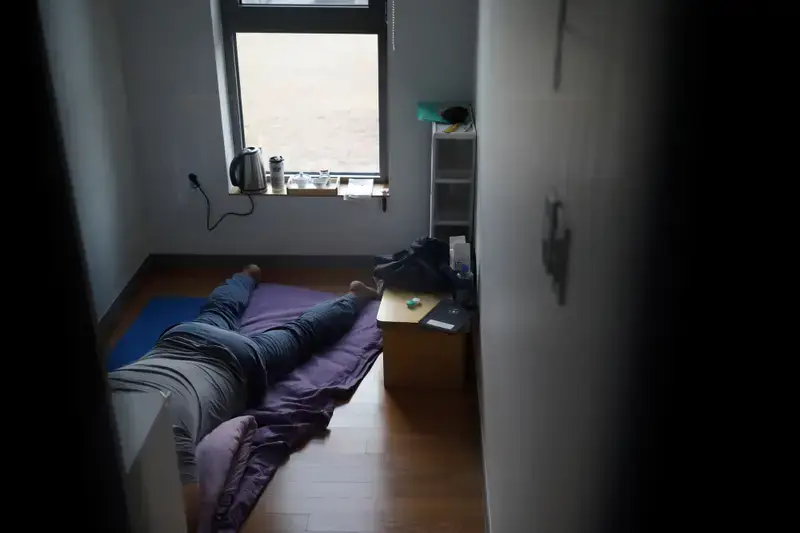
One of the most notable examples of this approach is the "Prison Inside Me" facility, established in 2013 by former prosecutor Kwon Yong-suk in the rural region of Hongcheon. Here, visitors voluntarily spend either 24 or 48 hours in small, minimalist jail-like cells stripped of phones, computers, books, and other distractions. Guests wear prison uniforms and are locked inside for approximately 20 hours at a time, experiencing near-complete silence and isolation. Meals are delivered through a feeding slot, minimizing human contact.
Unlike traditional incarceration, this experience is entirely voluntary and aims to provide individuals a much-needed break from relentless societal pressures. Since its inception, over 2,000 people, including stressed office workers, students, and professionals, have sought this unique refuge. Participants often report a renewed sense of freedom, mental clarity, and a deeper connection with their inner selves an uncommon luxury in today’s fast-paced, hyper-connected world.
Understanding Social Withdrawal: The “Happiness Factory” for Parents
Another innovative initiative, the "Happiness Factory," targets families dealing with socially withdrawn youth, known as hikikomori, a growing social phenomenon in South Korea characterized by extreme isolation. The Ministry of Health and Welfare estimates that over 5% of young adults aged 19 to 34, roughly 540,000 individuals, suffer from severe social withdrawal.
To foster deeper empathy, the Happiness Factory invites parents to spend three days in solitary confinement cells that mimic their children’s isolation. These stark, device-free rooms have only a small feeding hole for communication. Participants wear prison uniforms, experiencing firsthand the emotional and physical solitude their children endure.
Following the confinement period, parents engage in a 13-week educational program emphasizing improved communication and relationship-building within the family. This immersive process has been credited with helping parents understand and support their socially withdrawn children better, fostering significant improvements in family dynamics and emotional bonds.
Benefits of Enforced Solitude: Stress Relief, Self-Awareness, and Family Healing
The benefits of these innovative programs are multifaceted:
- Stress Relief and Mental Health Reset: Participants experience critical relief from the constant demands of modern life, achieving mental clarity and emotional regulation through enforced silence and solitude.
- Enhanced Self-Awareness and Reflection: Devoid of digital distractions, individuals are encouraged to confront internal thoughts and emotions, a rare opportunity that many find profoundly transformative.
- Improved Family Communication: In the case of the Happiness Factory, parents develop a strong sense of empathy and understanding, which enhances dialogue and support for socially withdrawn family members.
- Creating Safe Spaces for Solitude: Both programs turn prison cells, traditionally symbols of punishment, into sanctuaries facilitating psychological healing and introspection.
While comprehensive scientific studies on these specific programs remain limited, smaller research on therapeutic isolation and related interventions within prison environments in South Korea has demonstrated psychological benefits such as reduced depression, increased self-esteem, and improved emotional stability.
Cultural and Societal Impact of South Korea’s Wellness Innovation
These programs highlight South Korea’s creative and culturally nuanced responses to high societal expectations and the mental health challenges they engender. In a country known for its rigorous work and academic culture, traditional mental health services sometimes fail to fully address people’s needs. By reframing enforced solitude as voluntary and healing, these wellness initiatives resonate deeply, offering participants a meaningful way to disconnect and recharge.
The Future of Experiential Mental Health Interventions in a Hyper-Connected World
In an age marked by constant digital connectivity and societal pressures, South Korea’s transformation of prison isolation into a wellness tool offers a compelling model for experiential mental health interventions. It underscores the importance of voluntary disconnection and reflective silence as essential components for psychological well-being.
Ultimately, this innovative approach illustrates how culturally sensitive, experience-based therapies can address contemporary social disorders and mental stress. South Korea’s wellness retreats reclaim the power of solitude and silence, demonstrating that even the harshest physical settings, when reframed with empathy and intention, can become profound spaces for healing.
Discussion
Start the conversation
No comments yet
Be the first to share your thoughts on this article. Your insights could spark an interesting discussion!