
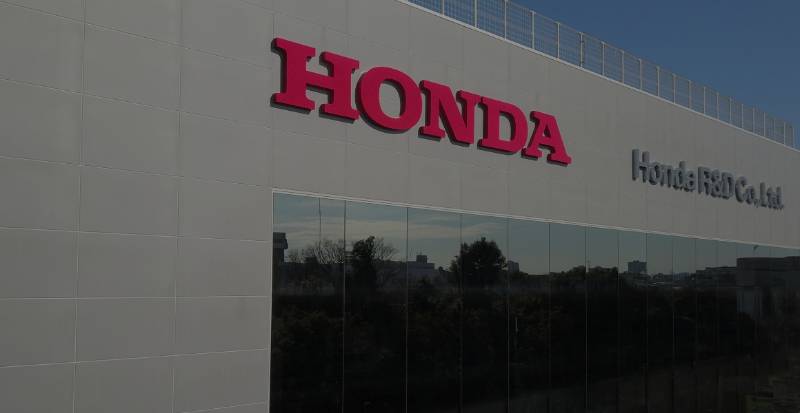
On June 17, 2025, Honda R&D, the innovative research and development arm of Japanese automotive leader Honda Motor, catapulted itself to the forefront of aerospace technology. At its launch facility in Taiki Town, Hokkaido, Japan, Honda successfully launched and vertically landed its first independently developed experimental reusable rocket, ascending to an altitude of 271.4m and landing with unmatched precision. This achievement puts Honda among a select league previously dominated by SpaceX, Blue Origin, and a handful of Chinese startups.
Breaking New Ground: First Non-US, Non-Chinese Rocket Landing
Honda’s accomplishment is historic: never before had a company outside the United States or China demonstrated reusable rocket landing capability. With this test, Honda shatters the geographical ceiling in space innovation and redefines what traditional automotive engineering can achieve when directed at the stars.
Technical Excellence and Test Details
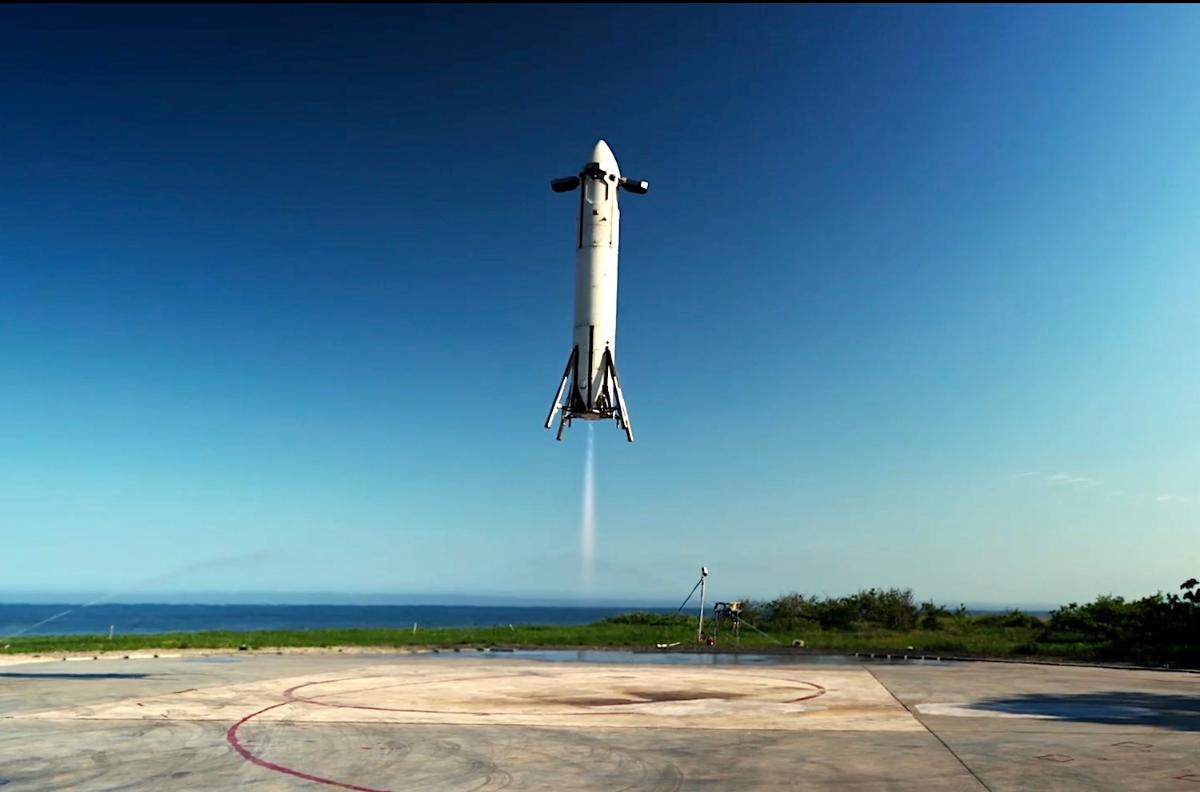
- Rocket Specifications: 6.3m in length, 85cm diameter.
- Weight: 900kg dry, 1,312kg wet (fully fueled).
- Flight Profile: Reached 271.4m altitude in a 56.6sec flight.
- Landing Accuracy: Landed within 37cm of the target touchdown point, showcasing exceptional control.
- Test Location: Taiki Town, “Space Town,” Hokkaido, famed for cutting-edge aerospace activities and close cooperation with JAXA.
The test highlighted Honda’s deployment of core R&D strengths in combustion engines, precision control, and autonomous guidance, which proved pivotal in both ascent stability and pinpoint landing.
Safety, Community, and Space Town Spirit
Honda’s flight was conducted with rigorous safety protocols, enforcing a 1km radius restricted area to ensure public safety and demonstrating responsible stewardship of space innovation adjacent to active aerospace communities.
Strategic Impact for Honda and Japan
- Entry Into Reusable Rocket Market: Honda brings fresh competition to a sector previously defined by US and Chinese dominance, signaling the rise of Japanese engineering in next-generation aerospace technology.
- Legacy of Engineering Innovation: Drawing from decades of expertise in automobiles and aircraft, Honda now channels its technological DNA into rockets, expanding both industry horizons and national pride.
Vision for the Future: Roadmap and Applications
Honda’s foray into space began in 2021, intending to leverage its long-standing proficiency in combustion and control systems. With this successful test, Honda aims to:
- Conduct full-scale suborbital launches by 2029.
- Deploy satellites for Earth observation and constellation missions, strengthening its offerings for mobility, communications, and climate monitoring.
- Use Taiki Town’s thriving aerospace ecosystem and JAXA partnerships as a launchpad for future expansion.
The Global Significance
Honda’s milestone represents more than just a technological triumph, it signals a strategic diversification in the global space sector and bolsters Japan’s position in the space economy. By embracing aerospace innovation, Honda offers a blueprint for automakers and tech firms worldwide to broaden their ambitions.
Looking Ahead
As Honda R&D celebrates this landmark, it stands at the threshold of a new era, where engineering ingenuity propels humanity not just across land and air, but into space. With eyes set on higher altitudes and broader frontiers, Honda’s journey promises to foster vibrant competition and collaborative spirit in the aerospace domain, driving forward the evolution of global space technology.
Discussion
Start the conversation
No comments yet
Be the first to share your thoughts on this article. Your insights could spark an interesting discussion!