

Miyamoto Musashi (1584–1645) is one of Japan’s most famous swordsmen. He was a wandering samurai, a brilliant strategist, and a philosopher whose real life became even bigger than the legends about him. Known for being undefeated in over 60 duels, Musashi was more than just a master of fighting. He was a deep thinker who wanted to find the timeless principles behind any good strategy.
Toward the end of his life, he went to live in a cave called Reigandō. There, he wrote his classic work, The Book of Five Rings (Go Rin no Sho).
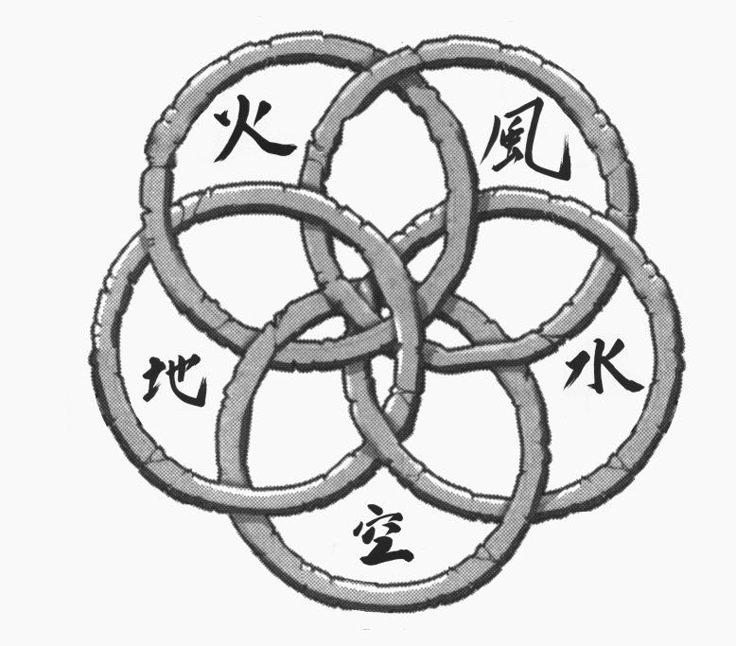
This book is much more than a guide to sword fighting. It’s a manual on discipline, focus, and the art of mastering yourself and your surroundings. Musashi organized his teachings into five "rings," or scrolls, with each one connected to a natural element:
- Earth (Chi no Maki)
- Water (Mizu no Maki)
- Fire (Hi no Maki)
- Wind (Kaze no Maki)
- Void (Ku no Maki)
1) The Earth Scroll: Foundation, Structure, and Perspective
The Earth scroll is all about the fundamentals. Think of it as the solid ground you build everything on, like your stance, your tools, and the basic structure of your strategy. Musashi stresses that you need to:
- Know both the big picture and the small details.
- Build rock-solid basics before you try to get fancy.
- Use the right tool for the job. You wouldn't use the same weapon indoors as you would in an open field.
- Focus on what actually works to win, not on flashy techniques.
Core Ideas:
This means being grounded with a clear purpose and correct posture. It's about choosing principles over personal preferences, so you don't get stuck on one weapon or style. You also learn to see that timing and rhythm are in everything.
Examples:
- Martial Arts: A kendo student spends months just on footwork and proper striking distance before learning advanced moves.
- Business: A startup makes sure people actually want their product with interviews and a simple prototype before trying to grow. They choose reliable technology over trendy new fads to keep things stable.
- Personal Mastery: A guitarist practices with a metronome and masters basic chords and scales before trying to play complex solos.
How to Apply It:
- Define your basics: What are the three non-negotiable fundamentals in what you’re doing?
- Check your tools: Are the tools you're using today still the best for the job?
- Practice daily: Focus on getting your core drills right, not just on the final outcome.
2) The Water Scroll: Adaptability, Fluidity, and a Calm Mind
Water can take the shape of any container it’s in. In this scroll, Musashi teaches that you should be like water. This means you should:
- Adjust your posture, speed, and tactics to match the situation you're in.
- Keep a calm and clear mind, because you can't be fluid if you're tense.
- Learn to match an opponent's rhythm and then use it against them.
Core Ideas:
The goal is to be flexible without losing your center. You learn to be soft when you need to be and firm when it counts. It’s about reading the flow of a situation and adjusting your angle, distance, and speed as things change, all while staying calm and ready.
Examples:
- Martial Arts: A fencer facing an aggressive opponent might step back to let them overextend, then strike the moment their rhythm breaks.
- Negotiation: If someone is being stubborn, you can switch from arguing with logic to exploring their interests and finding new options.
- Product Strategy: If data shows that more people are using your product on their phones, you shift your resources to improve the mobile experience.
How to Apply It:
- Train at different speeds: Practice going fast, slow, and using feints.
- Practice staying calm: Use techniques like box breathing before a high-stakes meeting to keep your composure.
- Plan for changes: Have "if-then" plans ready. For example, "If this key metric drops, then we pivot to Plan B."
3) The Fire Scroll: Decisive Action, Tempo, and Taking Control
The Fire scroll is about the heat of battle. It’s all about timing, initiative, and pressure. Musashi emphasizes that you should:
- Seize the initiative. Don't always wait to react; attack the attack.
- Be direct and decisive. A simple, powerful strike is better than a fancy, complicated one.
- Control the pace of the fight to break your opponent's rhythm.
Core Ideas:
This is about choosing your timing deliberately, whether you act early, on the beat, or late. You learn to use constant pressure as a weapon to force mistakes. You also attack your opponent’s mind by creating doubt and showing confidence.
Examples:
- Martial Arts: A boxer fighting a defensive opponent keeps up a constant jab, forcing them to react, and then throws a powerful cross when their guard becomes predictable.
- Business: A company launches a major marketing campaign right when a competitor is distracted by a rebrand to steal the spotlight.
- Crisis Management: During a system outage, a leader takes charge, makes a quick decision to roll back the change, and communicates clearly every 15 minutes.
How to Apply It:
- Create "go" triggers: Know the exact conditions that will make you act immediately.
- Rehearse your first moves: Prepare what you will do in common scenarios so you don't have to think about it in the moment.
- Combine your strengths: Use timing, angles, and tempo together, rather than relying on just raw power.
4) The Wind Scroll: Understanding Other Styles (and Their Weaknesses)
Wind represents "style." Here, Musashi looks at other schools of swordsmanship, not to make fun of them, but to learn from them. The lessons are:
- Study how others do things to understand their strengths and their blind spots.
- Don't get stuck in dogma. Being too attached to one style will blind you to the real situation.
- Take what is useful from other styles and leave the rest behind.
Core Ideas:
This is about comparing different approaches to see how they differ. You learn to see the common ways that different styles can fail. It also teaches strategic humility, showing that you can broaden your own skills by learning from others.
Examples:
- Martial Arts: A karate expert cross-trains in judo to understand grappling, which reveals weaknesses in their own close-range defense.
- Business Strategy: A company analyzes a competitor's "all-in-one" product and realizes customers prefer a simpler, more focused tool. They build that tool and position themselves as the sharp, specialized alternative.
- Creative Work: A novelist studies how screenplays are structured to learn about pacing, then uses those ideas to make their book more exciting without losing their own voice.
How to Apply It:
- Analyze the competition: Regularly study what others are doing and identify their strengths and weaknesses.
- Challenge your assumptions: Try using an opponent's strategy for a day to see the flaws in your own thinking.
- Keep a portfolio of methods: Have several different ways of approaching a problem so you can pick the best one for any situation.
5) The Void Scroll: Direct Perception, No-Mind, and Effortless Action
The Void is the most profound scroll. It’s about reaching a state of clarity beyond technique, where your actions and awareness become one. Musashi points to:
- Seeing things exactly as they are, without your fear, ego, or old habits getting in the way.
- Acting spontaneously from a place of deep practice, so the right action happens effortlessly.
- Developing an intuition that comes from thousands of hours of training, not from magic.
Core Ideas:
This is the state of mushin, or "no-mind," where your mind is so clear that thoughts don't get in the way. You are not attached to winning in a specific way, so you are free to make the best move. Your perception of a situation and your response to it happen at the same time.
Examples:
- Martial Arts: A veteran judo master feels a tiny shift in an opponent's balance and executes a perfect throw without consciously thinking about it.
- Leadership: In a tense meeting, a CEO puts the presentation aside, calmly points out the real issue everyone is avoiding, and proposes a simple path forward, instantly getting everyone on board.
- Creative Flow: A jazz pianist improvises a beautiful solo, with their fingers seeming to know where to go without any conscious thought. This comes from years of practice.
How to Apply It:
- Practice deeply: Practice your skills slowly and mindfully, then build up speed while staying relaxed.
- Train your attention: Use meditation, breathing exercises, or other focus drills to sharpen your mind.
- Find the essence: In any situation, ask yourself, "What is the one simple, right move here?" Then do it, cleanly and without hesitation.
Putting It All Together
- Earth is where you build your unshakable basics and establish your core principles.
- Water teaches you to be adaptable and fluid, changing your form to fit the situation.
- Fire is about commanding the moment with decisive action and controlling the tempo.
- Wind reminds you to study others to broaden your perspective and avoid getting stuck.
- Void is the ultimate goal, a state of clarity where masterful action becomes effortless.
More than 350 years later, Musashi's writings continue to influence people not just in martial arts, but also in business, leadership, and personal development. The Book of Five Rings challenges us to think about discipline, clarity, and the timeless pursuit of mastery, no matter what battlefield we find ourselves on today.
Discussion
Start the conversation
No comments yet
Be the first to share your thoughts on this article. Your insights could spark an interesting discussion!