
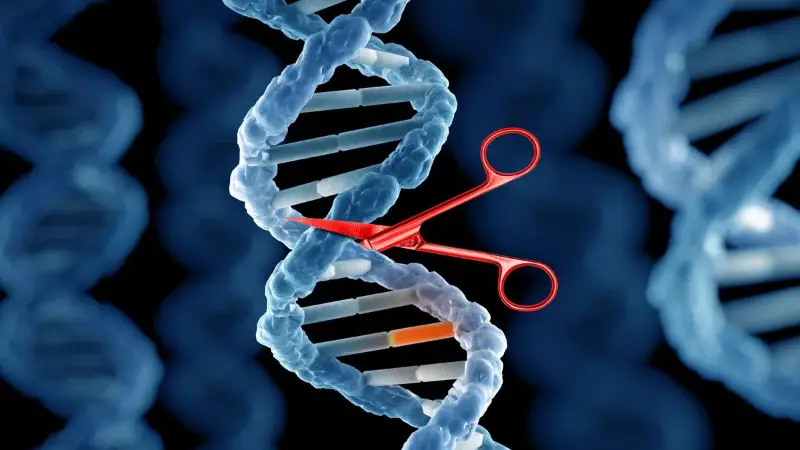
What if we could create life from skin? What if we could not only cure genetic diseases but prevent them before birth or even enhance the next generation?
These are no longer distant dreams. The rapidly evolving field of gene editing led by the revolutionary CRISPR-Cas system, is challenging our most fundamental ideas about reproduction, health, and human identity. Recent scientific advances suggest we might soon be able to take a skin cell, reprogram it into an egg or sperm, and then edit it to create a child free of inherited disease. This potential to design future generations stirs awe, hope, and deep ethical unease in equal measure.
As science races forward, society is left grappling with a haunting question: just because we can, does that mean we should?
From Skin Cells to Babies: How It Could Work
Scientists have developed techniques to reprogram adult somatic cells, like those from the skin, into induced pluripotent stem cells (iPSCs). These can then be coaxed into developing into eggs or sperm, a process known as in vitro gametogenesis (IVG). In mice, this has already led to the birth of healthy offspring.
If applied to humans, this could transform reproduction, especially for those who are infertile, same-sex couples, or even individuals without access to viable eggs or sperm. In theory, a single skin cell could give rise to a genetically related child.
Layered onto this is CRISPR-Cas9, a gene-editing tool that allows scientists to precisely alter DNA. Before fertilization, scientists could potentially edit lab-grown gametes to correct mutations that would otherwise cause genetic diseases.
But this power is a double-edged sword. With the ability to edit comes the temptation to enhance to choose traits, not just treat conditions. That’s where the science crosses into philosophy, ethics, and societal risk.
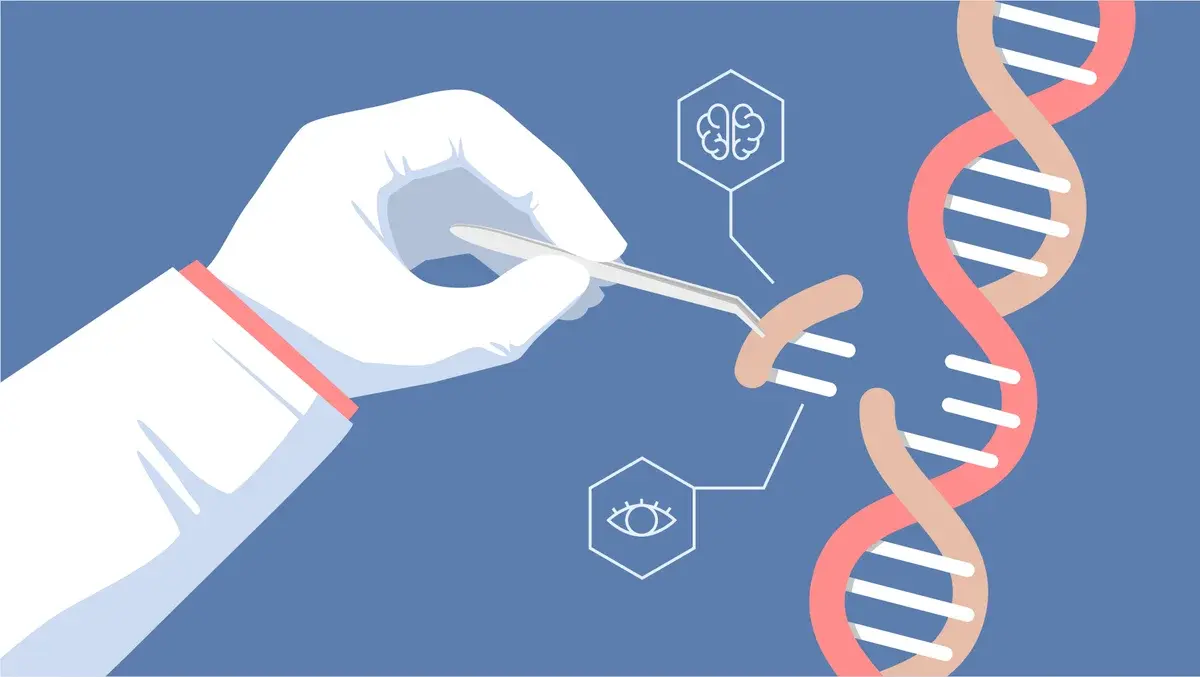
CRISPR’s Current Frontier: Where We Are Now
Treating Disease, Not Yet Rewriting Lineages
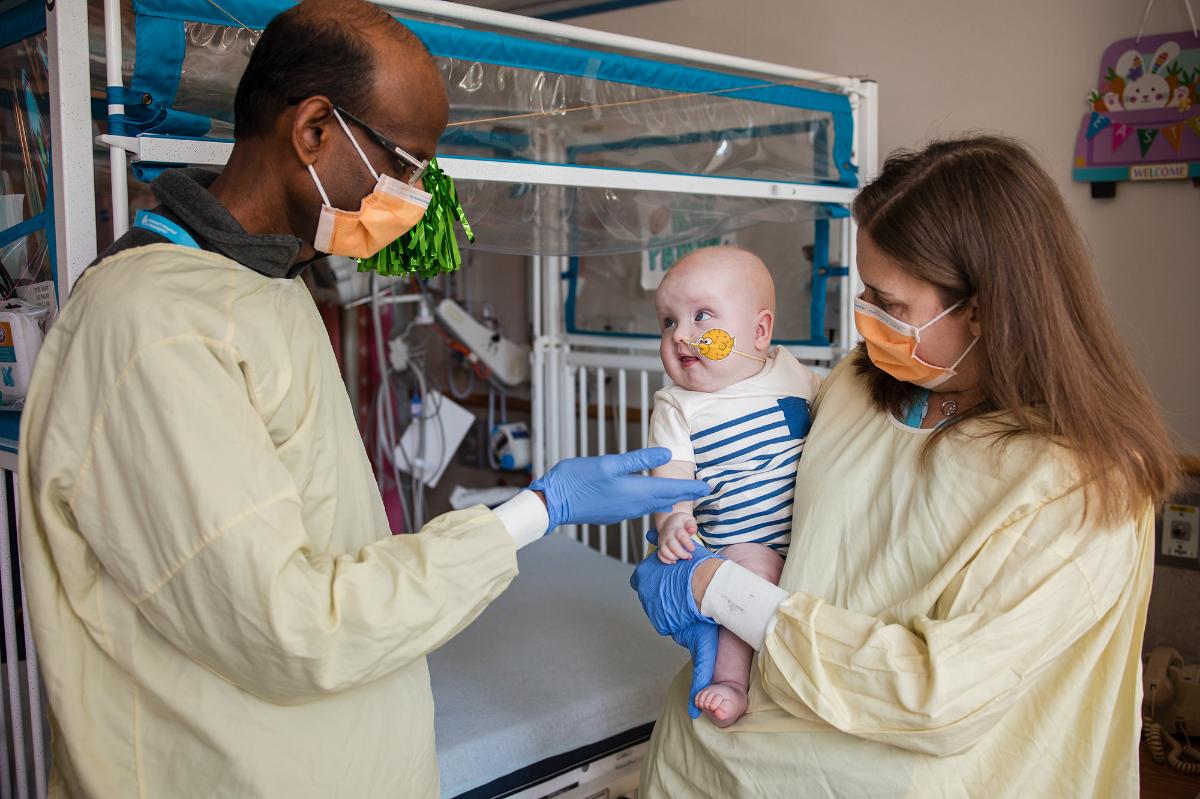
CRISPR has already begun changing lives. In recent years:
A baby was successfully treated for CPS1 deficiency, a fatal genetic liver condition, through direct CRISPR editing.
Patients with sickle cell anemia and certain inherited blindness disorders have received personalized gene therapies using CRISPR, dramatically improving quality of life.
However, these interventions are somatic, meaning they affect only the individual not their descendants. Editing human embryos or reproductive cells (germline editing) is still banned or heavily restricted worldwide due to unknown long-term risks and moral uncertainty.
A Cautionary Tale: The CRISPR Babies
In 2018, a Chinese scientist stunned the world by announcing the birth of twin girls whose DNA had been altered to resist HIV. The global scientific community condemned the act as reckless, unethical, and dangerous. It was conducted in secrecy, without proper oversight, and highlighted the enormous risks of moving too fast with germline gene editing.
The scandal prompted widespread calls for international regulation and revealed just how close we already are to rewriting human heredity.
Designer Babies: Science Fiction or Imminent Reality?
The term “designer baby” often conjures dystopian images, tailored intelligence, curated personalities, perfect looks. But how close are we to this future?
What Might Be Possible Soon:
Disease Prevention: CRISPR could be used to remove or repair genes responsible for devastating inherited diseases (e.g., Huntington’s, cystic fibrosis).
Enhanced Immunity: Editing embryos or lab-made sperm/eggs to resist viruses like HIV is technically possible—and has already been attempted.
What Remains Out of Reach
Complex Traits: Intelligence, athleticism, or creativity involve hundreds, sometimes thousands of genes, along with unpredictable environmental interactions. Editing such traits is currently far beyond scientific capability.
Precision and Safety: Gene editing is not flawless. Mistakes can happen off-target edits, unintended mutations, or unpredictable ripple effects could lead to serious health problems that are passed to future generations.
Ethical Earthquakes: Who Gets to Play God?
The moral and social concerns raised by human gene editing are as complex as the science itself.
- Consent Across Generations: Germline edits affect not just one person, but every descendant. How do we obtain consent for that?
- Genetic Inequality: If only the wealthy can afford gene editing, will society split into the genetically privileged and the naturally born?
- Loss of Diversity: By selecting for “desirable” traits, we risk narrowing the gene pool, valuing uniformity over biological and cultural richness.
- Cultural & Religious Conflict: Different societies view life, reproduction, and intervention in nature in vastly different ways. What one culture sees as progress, another may see as playing God.
As ethicist Françoise Baylis notes: “The question is not just what kind of children we want, but what kind of society we want to live in.”
The Road Ahead
While it’s tempting to imagine CRISPR-edited superhumans or lab-grown babies from skin cells, the truth is more grounded:
Still Experimental: IVG from human skin cells is not yet successful outside of lab models. Functional, fertilizable gametes from human cells remain a scientific goal - not a clinical tool.
Regulatory Barriers: Most countries prohibit germline editing, especially for enhancement. Global guidelines are in development, but enforcement remains patchy.
Public Discourse Needed: These technologies touch every aspect of human existence from parenthood to identity. Policymaking must involve scientists, ethicists, lawmakers, and the public, not just biotech firms and researchers.
Conclusion
CRISPR and in vitro gametogenesis offer real hope for eradicating certain genetic diseases and enabling parenthood for those once excluded by biology. But alongside this promise lies a perilous path, one paved with unanswered ethical questions, biological unknowns, and the specter of designer genetics.
We are approaching the power to shape human life in ways previously unimaginable. The future is not just about what we can do, but what we should do and how wisely, compassionately, and collectively we choose to wield it. The blueprint for future generations may one day start with a skin cell and a gene edit but what we make of that power will define far more than just our DNA.
Discussion
Start the conversation
No comments yet
Be the first to share your thoughts on this article. Your insights could spark an interesting discussion!